
假面骑士空我
【收评】铁矿日内上涨0.49%机构称基本面供给增加、需求下降,铁矿石延续区间震荡_我的网站

一 |
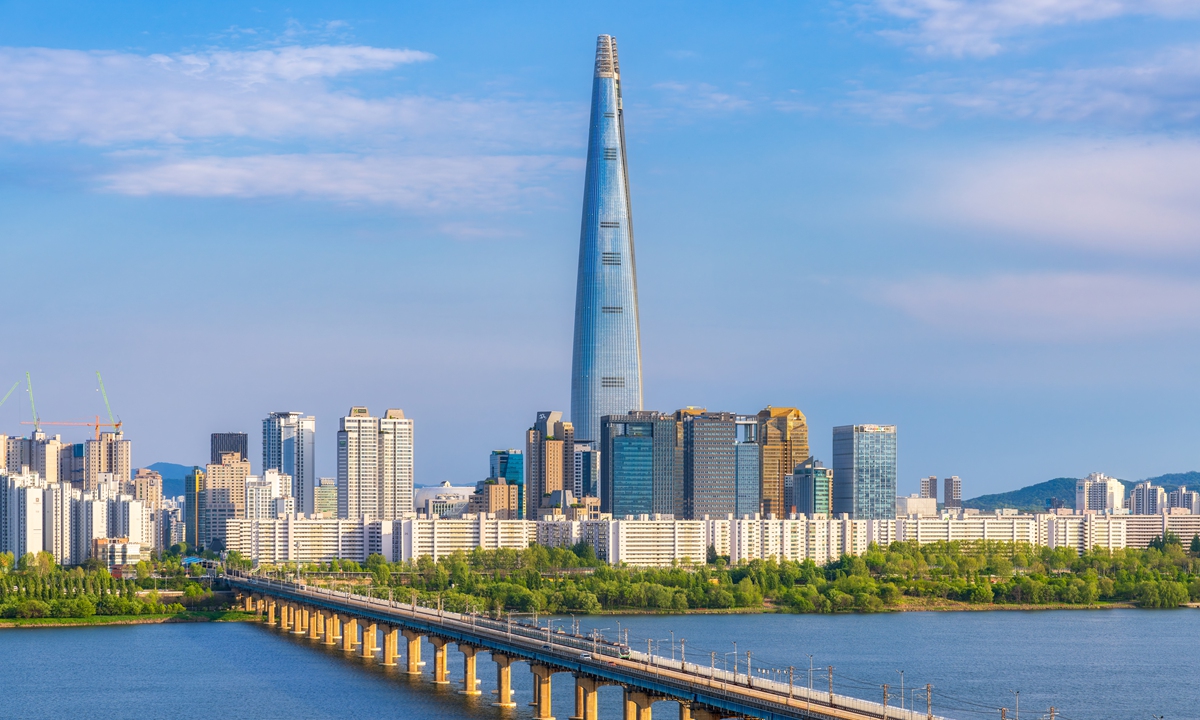
South Korea is grappling with scorching heat waves this summer, with temperatures soaring above 40 C in its capital city of Seoul for the first time since 2018. The extreme weather has dominated newspaper headlines lately, which has wreaked havoc on the people's health and agricultural production there.
For instance, with mass die-offs at the country's fish farms and catches declining, seafood prices are trending higher, according to South Korean media reports. Meanwhile, South Korean consumers' demand for cooling products is surging.
Against this backdrop, the unique strengths of China-South Korea economic and trade cooperation - characterized by flexible responses and regional short-chain supply arrangements - have been fully demonstrated.
Unlike countries in Europe and elsewhere in the West, or regions that rely on long-distance transportation, China and South Korea share geographical proximity and mature cross-border logistics system. Built through years of in-depth industrial collaboration, their circulation network drastically shortens supply chain routes and turnover cycles, delivering vital response in time of need.
Since the onset of the summer heat waves, a diverse array of Chinese-made goods - frozen beverages, portable handheld fans, pet cooling accessories and others - has flowed to the South Korean market. The rapid replenishment has provided relief to South Koreans grappling with soaring temperatures.
The "cool" trade that has blossomed between the two countries is fundamentally a story of mutual benefit and complementary strengths. While Chinese cooling supplies enter the South Korean market, Chinese consumers' demand for South Korean summer cosmetics and personal care products is heating up too. These two seemingly separate trade flows essentially reflect the deep-seated trade complementarity between the two neighbors.
Since the beginning of summer, "cool-feeling" cosmetics have become a shopping hit among Chinese consumers. Many South Korean products, featuring lightweight textures, durability and sweat-proof performance, have won growing market popularity.
The two-way trade flow is rooted in the alignment of the two countries' industrial structures and consumer needs, allowing both consumers to access what they require in the trade of "cool products" and achieve mutually beneficial outcomes.
The structural underpinnings of this synergy run deep. China's strength in agricultural production, cold‑chain infrastructure, and large‑scale manufacturing complements South Korea's prowess in beauty product research and development, good quality control and sophisticated brand operation. Most importantly, their geographical proximity allows such industrial complementarity to flourish.
From a broader perspective, global climate change seems to continue interfering with economic life in increasingly unpredictable ways. Caught in this dual pressure of escalating climate shock and global industrial restructuring, the significance of regional economic cooperation is being redefined. It is no longer limited to expanding market access and cutting operational costs; instead, it is deeply tied to safeguarding people's basic livelihoods in time of sudden unexpected disruptions.
The shortened transportation window brought by geographical proximity boosts the supply chain's response speed, enabling it to swiftly counter market volatility triggered by sudden emergencies.
The deep industrial integration that China and South Korea have nurtured over the past decades across sectors including electronics, beauty, agricultural products and cold-chain logistics has laid an exceptionally solid foundation for bilateral cooperation.
Currently, global supply chains are facing shocks from geopolitical conflicts, rising trade barriers as well as surging extreme weather patterns, leaving many long-distance global supply chains increasingly fragile and prone to sudden breakdowns.
The short-chain cooperation between China and South Korea has demonstrated that, in the era of growing uncertainties in the world, tapping deeper into regional industrial complementary advantages and building more stable and flexible cross-border industrial and supply chains is both an efficient choice to reduce circulation costs and a practical path to fend off risks to ensure industrial stability and protect people's livelihood.
。 行情表现8月26日收盘价当日涨跌幅五日涨跌幅铁矿720.00元/吨0.49%1.12%数据来源:同花顺iFinD品种基本面据同花顺iFinD数据显示:8月21日铁矿石港口库存录得17360.60万吨,较上一交易日减少60.90万吨。机构观点国都期货:基本面供给增加、需求下降,铁矿石延续区间震荡8月25日,铁矿石主力I2701合约震荡偏弱,收于713.5元/吨,跌幅0.28%,成交23.33万手。25日铁矿现货(青岛港61.5%PB粉,湿吨)为691元/吨,基差-25元/吨。全国主港铁矿石成交110.6万吨,环比增加194.15%;237家主流贸易商建筑钢材成交...。
Current article:http://aqcr7ht.minpinpengcemiuanjiuxuan.pics/ey1bn/2ho.html
Published on:19:44:08
上一篇:Vivek Agnihotri And Bhushan Kumar Join Forces For A Film On Operation Sindoor 下一篇:Vaa Vaathiyaar Hit With Court Stay a Day Before Release
我的网站相关阅读
- Xi'an hosts ISU Junior Grand Prix opening leg
- 斯基拉:曼联球探考察亚特兰大中场埃德森、前锋雷特吉
- Birthday Special: Movies Starring Dharmendra and Sharmila Tagore Together
- 董宇辉等核心主播走后,东方甄选扭亏为盈,赚5.44亿
- 英媒评2025金童奖热门:杜埃、库巴西、斯凯利领跑,枪手巴黎两人
- Free village swimming pool becomes summer hotspot for children in east China
- 内蒙古乌海地区焦炭价格快报
- 【品种策略】鸡蛋:08月26日多家期货公司晨报观点汇总
- China's private space sector launches AI-powered satellites as commercial push gathers pace
我的网站最新文章
- “你上班,我带娃”
- Nicaragua national pavilion opens in central China
- 曼联近13赛季积分:1次夺冠、2次第2、6次没进前5,本赛季最低
- 新疆现如今的奇幻现象“寒夜灯柱”:极光之美
- 奥林巴斯发布了第二部反旗舰E-M1X宣传片
- -1237!豆棕价差跌至历史较低位置豆油相对棕榈油被低估
- Delhi High Court Seeks Response After Jr NTR Complains of Identity Misuse Online
- 伊森赛后回到球场加练罚球 火箭今日20罚仅11中
- 世体分析小蜘蛛不去英格兰:其部分家庭成员居留许可两年便到期
- Wi-Fi联盟将在第三季度启动Wi-Fi 6设备认证计划
- China's CPI edges up 0.5% year on year in July
- 今日趣图:曼联保级成功欧联唯一不败球队,留力剑指冠军!
- 前裁判谈劳塔罗禁区内倒地未获点球:正确的,弗鲁勒站着没动
我的网站随机推荐
- Bus driver stops just before landslide hits road, saving five passengers
- 【仓单】8月26日上期所沪镍期货仓单较上一日下降252吨
- 天合光能:签订212.1亿元高纯硅料原料采购合同_公告_消息
- 塞尔:曼联准备3000万欧报价巴尔德,还打算5000万欧收购卡马文加
- China's economy holds steady in first seven months
- 小波特:受伤前我是杜兰特&字母哥的结合体 比前者运动能力更强
- Inside Asia’s oldest private library, guarding ancient scrolls in the age of AI
- 【现货】8月26日各地区尿素现货价格汇总
- Robots widely used in everyday life in Beijing, from brewing coffee to cooking meals
- Gen Z Russian teacher decodes China for his students using AI short drama
- Comicomment | Selling militarism as the future: Japan's new defense white paper
- 未来1—3小时有强雷雨+8级阵风!广州多区发布暴雨、雷雨大风黄色预警
- 拜仁球员遭到海登海姆球迷嘘声对待,唯独穆勒收获掌声